
Choosing the Right Ice Cream Color for Appealing Frozen Dessert Products
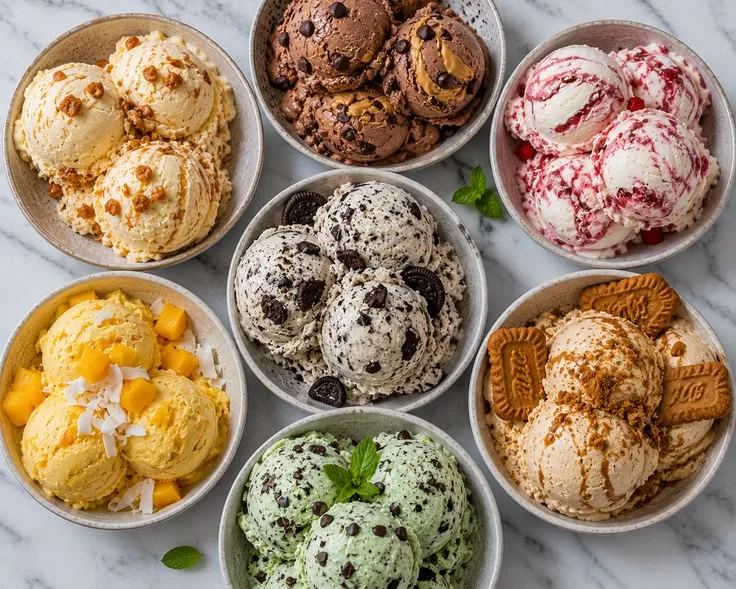
Color can be used with flavors and ingredients, as well as to complement the overall appearance of the product, in the case of ice cream products. Use a soft pastel color for vanilla and fruit ideas, or more vivid colors for chocolate, berry, caramel or specialty ideas. The formulation, appearance, processing conditions and storage environment must be taken into consideration for selecting the Ice Cream Colour to ensure a consistent and attractive frozen dessert is produced by manufacturers.
Start With the Flavor and Product Concept
A flavor profile is a good starting point for choosing a color. Flavors can evoke other visual lines such as strawberry, mango, pistachio, blueberry and others. The chosen color can help to reinforce the product concept and help to identify a finished ice cream product.
Manufacturers should first determine the desired appearance, then get a feel for the color ingredients. The color choice could be a light, natural hue or a more eye-catching color for another product.Base formulation also should be taken into account, as dairy, plant-based ingredients, fruit preparation and other ingredients may affect the final appearance.
Consider Suitable Food Coloring for Ice Cream
Food coloring for ice cream needs to be tested in the full formulation. Ice cream is a special mixture of fats, sugars, water, flavor and other ingredients which can impact the look of a color.
Small-scale: The developers can do small-scale trials with the actual base mixture. This gives them the opportunity to contrast the various concentrations and see the shade that will be created before making the move to bigger production.
The test will also yield information on dispersion. A color should be added in proportion throughout the mix so that a consistent color is produced in the final product.
Evaluate the Desired Shade
Ice cream can come in many different colors, some being subtle creams, some pastel colors, and some being a strong fruit color. The flavor, product positioning and visual identity can determine the desired shade.
Options can be provided in a variety of colors from natural sources. Naturally derived ingredients like beetroot, turmeric, annatto, black carrot, etc. can be used based on the desired effect. In this way, by comparative side-by-side assessment, product developers can determine which shade is most suitable and will best match the final product.
Consider Processing and Freezing Conditions
There are four stages in the production of ice cream: mixing, preparing (including pasteurizing), cooling, and freezing and storage. These stages should be taken into consideration when using and/or testing a color ingredient.
During development, manufacturers can replicate all of the important processing conditions and determine how the color reacts throughout the manufacturing process. This assists teams to comprehend the final look and to set an appropriate application procedure. Freezing and storage can also be included in product testing. After freezing, the color of the finished product can be observed, and useful information can be gained as to how the color would fit into the whole production process.
Choose an Appropriate Ingredient Format
Natural colors may come in various forms such as liquid and powder. Depending on the manufacturing equipment, base formulation, mixing process and desired dispersion, the preferred format may vary.
Manufacturers should take into account the ease of measuring and adding the ingredient to the ice cream base. Performing tests in the selected format while developing can assist teams in determining a functioning way of achieving even distribution. Technical guidance may also assist in the decisions regarding format and usage of ingredients.
Maintain a Consistent Finished Appearance
Ice cream must be produced consistently when making ice cream commercially. After the optimum color has been determined, the manufacturers can record the required color, the strength of the color, the stage at which the color is added and how it is mixed.
The information allows production teams to have a clear reference for the next production batches. When a manufacturer produces multiple flavors of the same product with similar color profiles, consistent specifications can also aid in product growth. A repeatable process helps to develop a familiar look and provides the formulation team with a chance to concentrate on other product properties.
Match Color With the Complete Product Experience
The color is a part of having a successful ice cream concept. Flavor, texture, package design, ingredients and presentation of the food in the package all impact the final experience of the product.
The manufacturer can thus assess the color in the entire product, rather than the color alone. It’s important to see samples packaged or served the way they will be in the final product, to give a more realistic view. This can be a great way to get the teams into a unified product concept from development to commercial production.
Conclusion
To select the appropriate ice cream color, you need to be familiar with the flavor concept, base formulation, desired color, processing phases, freezing conditions, and ingredient form. Practical testing can assist manufacturers in selecting a color solution that will ensure the color applied brings an appealing and consistent color look during the manufacturing process. When creating a new frozen dessert line and looking into natural color options, head over to foodrgb.com to find out their options and further the ice cream formulation.


